“How much does a fence cost?” is the first question almost everyone asks, and it is a fair one. The honest answer is that two fences of the same length can be very different jobs. Two hundred feet across flat, open ground and two hundred feet up a wooded slope with three gates are not the same project, and pricing them the same way means somebody is getting the wrong number.
That is why we do not publish a per-foot price. What we can do is explain exactly what drives fence installation cost, so the number you get after we walk your property makes sense, and so you can compare quotes on more than the total.
The biggest factors in fence installation cost
1. Length and layout
Footage is the starting point, but layout matters too. A straight run is simpler than one with many corners, returns to the house, or changes in direction. Every corner and end needs a post that carries more load than the posts between them.
2. Material
Cedar, vinyl, chain link, and ornamental metal each cost differently to buy and to install. Material also decides how much upkeep you take on afterward, which is part of the real cost even though it is not on the invoice. Our fence material guide compares the options.
3. Height and style
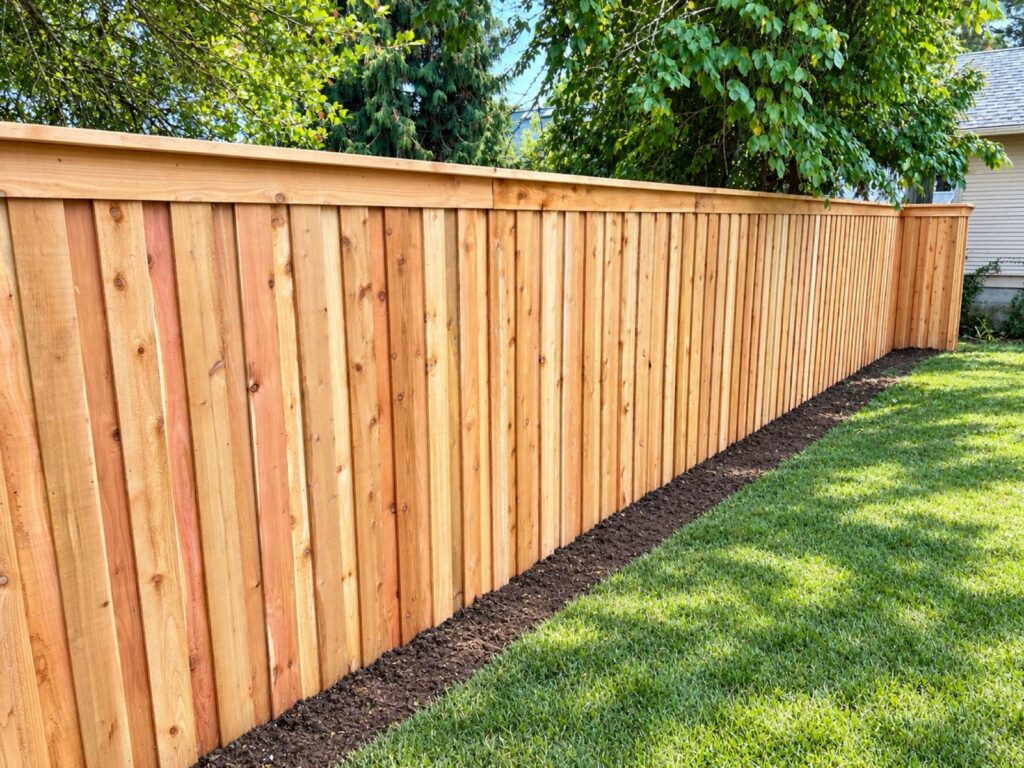
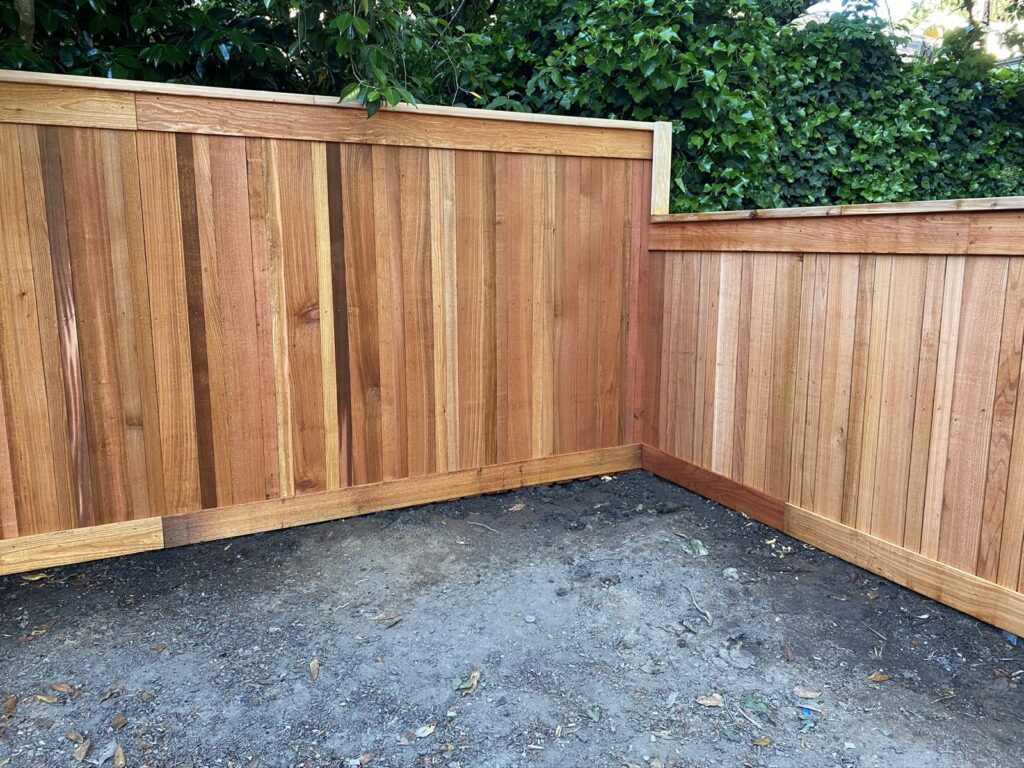
A taller fence uses more material and carries more wind load, so its posts need to be set accordingly. Board style, trim, caps, and other details add labor as well as material.
4. Gates
Gates are priced individually by width, placement, and whether the opening needs a double gate. A wide driveway gate is a different build from a narrow side-yard gate. Because the gate is the part you use every day, it is also the part most worth getting right.
5. Slope and grade
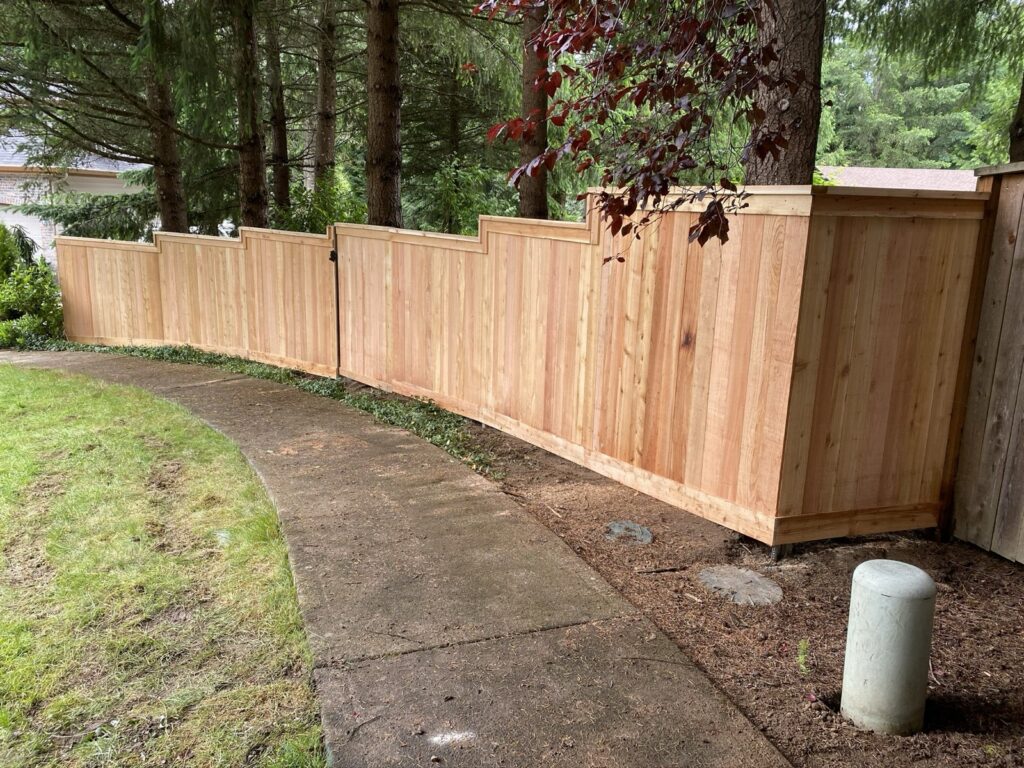
Sloped yards take more time. The fence has to either step down the slope or follow it, and that choice affects how panels are built, how posts are set, and how the fence looks from the street. We decide this with you before we build, not after.
6. Ground conditions
Rock, roots, saturated soil, and drainage all affect how posts go in. Each post has to be set deep enough for the fence height and for how firm or soft the ground is on your lot. Soft, wet ground needs more attention than firm, dry ground.
7. Access
Can materials and equipment get to the fence line easily, or does everything need to be carried around the house, through a gate, or down a hill? Tight access adds time.
8. Removing the old fence
Demolition and haul-off of an existing fence is real work, especially when old posts are set in concrete. If you are replacing a fence, make sure every quote you compare includes removal.
9. Permits, HOA review, and property lines
Some projects need a permit, some need HOA approval, and some need the boundary confirmed before anything goes in the ground. These do not always add much to the price, but skipping them can be expensive later. Requirements vary by jurisdiction, so we talk through what may apply during the estimate. Our guides to permits and property lines and HOA fence rules cover what to check first. Before any digging, we call in utility locates.
What makes one quote lower than another
When two quotes for “the same fence” are far apart, the difference is usually in things you cannot see once the fence is up:
- Post material. Wood posts can lower the first number, but they can rot at the ground line and need replacing sooner. On our wood fences, steel posts are the standard, not an upgrade.
- Concrete. Is every post set in concrete, and to what depth?
- Gate construction. A wood-framed gate is cheaper to build and often the first part to fail. Our wood gates use steel frames.
- Material grade. Not all cedar, vinyl, or hardware is the same quality.
- What is included. Removal, haul-off, gates, hardware, and cleanup are sometimes left out of a low number.
- The warranty. Ask what is covered, by whom, and for how long.
On cedar projects, we list every board, post, fastener, and fitting on the estimate, so you can see exactly what you are paying for.
Why the cheapest fence is rarely the least expensive one
A fence is one of the few home projects that is fully exposed to weather every day it exists. The quote you pay once; the repairs you pay for years. A fence that needs posts replaced after a few winters, or a gate that sags and has to be rebuilt, costs more over its life than one built to avoid those failures from the start. Fixing three sections whose posts are all the same age usually buys you a year, and then you pay to bring a crew back out.
Our cedar fences will not be the lowest bid, and that is by design. The difference goes into things you can see and understand: quality materials, steel posts built for Pacific Northwest conditions, and an experienced crew that stands behind its work with a lifetime workmanship warranty.
How to get an accurate number
The fastest way to a real number is an on-site estimate. We walk your fence line, confirm the footage, check grade, access, and gate locations, and show you the cedar we are specifying against your house. Most cedar projects are quoted the same day we visit.
A few things that help before we arrive:
- Know roughly where you want the fence and any gates to go.
- Have your plat map or survey handy if you have one.
- Check your HOA rules, if you have an HOA.
- Think about how you will use each gate: foot traffic, a mower, a trailer.
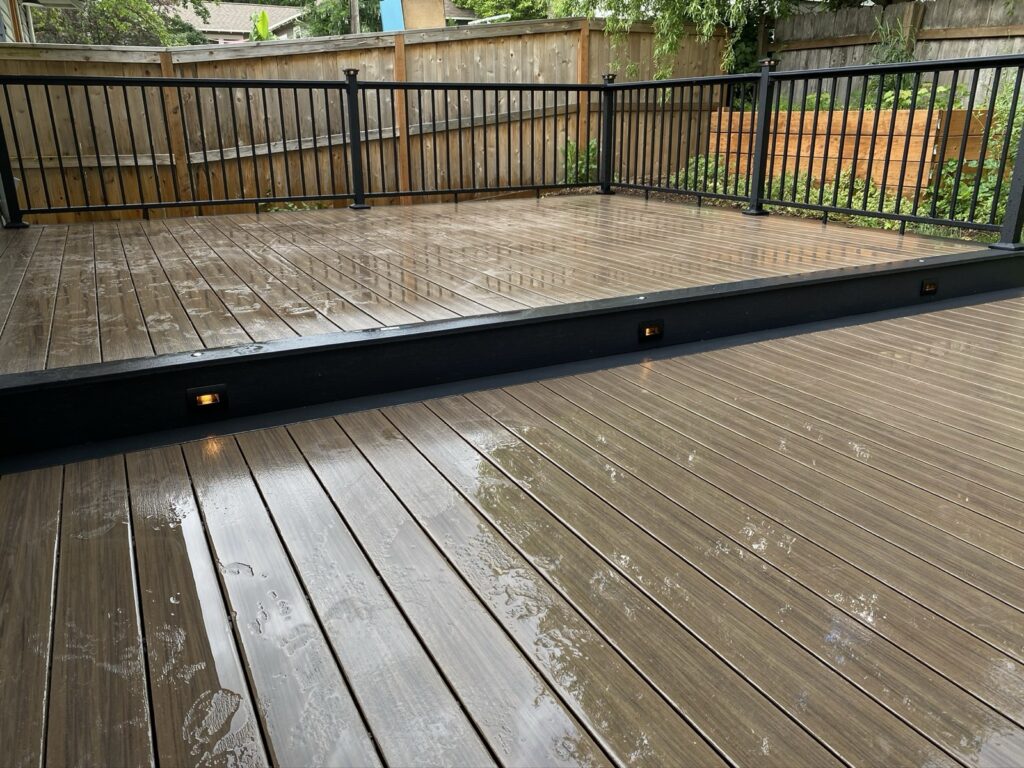
Our project minimum is $5,000. If you are planning a fence and a deck together, we can scope both so you have one clear project total, and financing is available, with terms set by the lender.
Common questions
Why won’t you give a price per foot over the phone?
Because the things that change the price the most, like slope, gates, ground conditions, access, and removal, are things we need to see. A per-foot number without seeing the property is a guess, and it is usually wrong in one direction or the other.
Is a fence cheaper to build in winter?
The season is not what sets the price; the property is. We build through the wet months, and booking in the off-season generally means a shorter wait than booking in spring.
Does a taller fence cost more?
Generally, yes. It uses more material and puts more load on the posts, so they have to be set for that height.
Ready for a real number? Request an estimate and we will walk your property with you.