Rot is the main reason wood fences fail in the Pacific Northwest, and it almost never starts where people look for it. It is rarely the top of a board or the middle of a panel. It starts where water sits the longest: at the ground line, at the bottom edge of the boards, and anywhere debris holds moisture against wood.
Here is where the problems start on a fence in our climate, beginning with the most common, and how to keep fence posts from rotting along with the rest of the fence.
Where the problems start, and why
1. The posts at the soil line
A wood post buried in wet ground is on a clock from the day it goes in. The few inches at and just below the soil surface stay wet for months at a time, and that is where the wood softens first. Concrete helps, but the wood is still sitting in the conditions that wear it down. Once a post softens, the fence starts to lean, and the first strong winter windstorm finds it.
This is the single biggest reason we use steel posts as the standard on our wood fences. Keeping wood out of the ground removes the most common source of post rot instead of trying to slow it down. You can read more in steel posts vs. wood posts.
2. The bottom of the boards
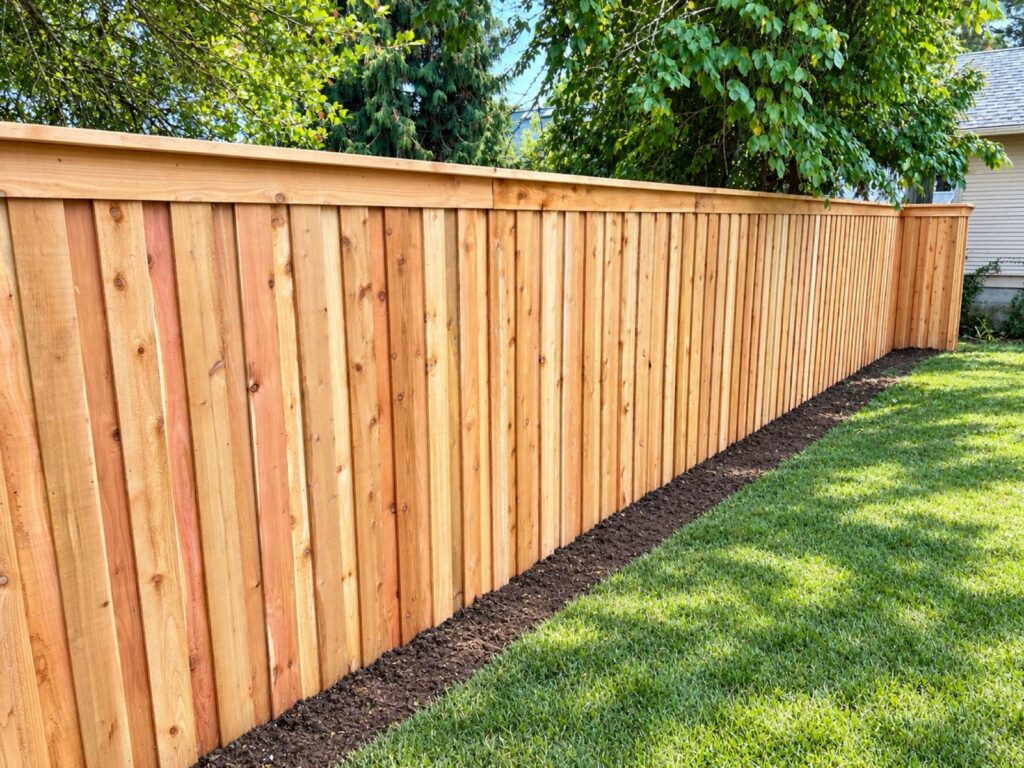
Rain hitting the ground splashes back up onto the bottom few inches of the fence. Add grass, mulch, or soil piled against the boards and that wood can stay damp almost all winter. This is where rot starts on the boards themselves.
3. The gate
Gates take the most use and carry their weight from one side. A wood-framed gate that soaks up water gets heavier, sags, and stops latching. Steel gate frames are standard on our wood gates for this reason.
4. Rails and connections
Rails usually fail after a post has moved, not before. Loose or corroded fasteners let water into the joints, and near Puget Sound, salt exposure adds stress on hardware.
How to keep fence posts from rotting, and the boards too
Keep the ground line clear
- Pull soil, bark, and mulch away from the bottom of the fence so it is not packed against the wood.
- Trim grass and plants along the fence line so air can move and the boards can dry.
- Do not pile firewood, leaves, or yard waste against the fence.
Manage water
- Point sprinklers away from the fence. A fence that gets watered every summer day never fully dries.
- Make sure gutters and downspouts do not dump water along the fence line.
- Watch for spots where water pools after heavy rain. Standing water at the base of a fence is an early warning.
Keep the finish in good shape
Western red cedar naturally resists rot and insects without chemical treatment, and it silvers as it weathers, which some homeowners prefer. If you stain or seal, follow the finish manufacturer’s recommendations and choose a dry stretch of weather to apply it. Avoid aggressive pressure washing, which can damage the wood surface.
Check it every spring and fall
Walk the line at least in spring and fall, and after major storms. Look for:
- Posts that lean or move when you push on them
- Soft or crumbling wood near the ground
- Gates that drag, sag, or no longer latch
- Loose boards, popped fasteners, or rusted hardware
Our seasonal maintenance guide has a full checklist for fences, decks, and patio covers.
How to tell if a fence post is rotting
Push firmly on the post near the top. Some flex is normal; a post that rocks or moves at the base is not. Look closely where the post meets the ground for darkened, soft, or crumbling wood. If one post is going, check its neighbors, since posts set at the same time tend to fail around the same time.
Leaning posts are a structural issue. If a section is leaning badly after a storm, keep people and pets away from it until it is looked at.
Repair or replace?
If one post failed because of a specific cause, like a damaged sprinkler line, a repair can make sense. If the whole fence is the same age and one section just fell, that section is usually the first of many. Replacing a few posts at a time can mean paying to bring a crew out again and again.
We look at the whole fence before recommending a repair or a replacement. Our project minimum is $5,000, so we are best suited to larger repairs and replacements rather than a single post. See our fence repair page for how we approach it.
Common questions
Does setting wood posts in concrete stop rot?
It helps compared to setting them in dirt, but the wood is still in contact with the conditions that break it down. That is why we keep wood out of the ground entirely on our wood fences.
Is cedar rot-resistant?
Western red cedar naturally resists rot and insects, which is one reason it is the classic Northwest fence. It is not rot-proof, especially when it stays wet against the soil, which is why ground clearance and drainage still matter.
Can you fix a rotting fence post without replacing the fence?
Sometimes. It depends on why it rotted and the condition of the posts around it. We will tell you honestly whether a repair is worth it.
Seeing lean, rot, or a gate that will not latch? Request an estimate and we will take a look.